07/14/2026
how to reduce it costs with a repair-first strategy
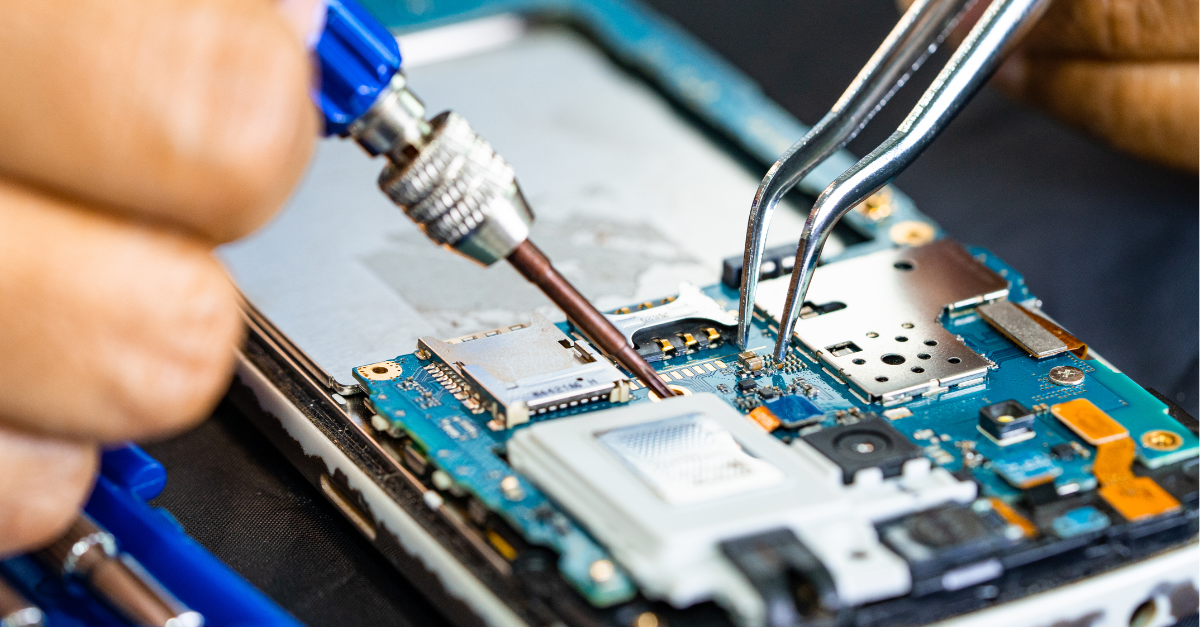
Technology costs continue to rise while IT teams are expected to do more with less. Between increasing hardware prices, tighter budgets, and growing sustainability requirements, many organizations are reevaluating how they manage technology assets throughout their lifecycle.
Rather than automatically purchasing extended warranties for every system or replacing damaged devices, one of the biggest opportunities to reduce IT costs may already be sitting on employees' desks.
REPLACE LESS, SAVE MORE: THE GROWING IMPORTANCE OF IT ASSET LIFECYCLE MANAGEMENT
For many organizations, laptops, desktops, tablets, and mobile devices represent one of their largest technology investments. Yet when a device experiences accidental damage or an out-of-warranty failure, replacement is often treated as the default option.
This approach can significantly increase total cost of ownership. Not only does replacement require new hardware purchases, but it also introduces procurement costs, deployment time, employee downtime, and increased e-waste.
A repair-first strategy shifts the conversation from replacement to optimization. Instead of asking, "What should we replace?" organizations ask, "How can we extract more value from the assets we already own?"
A REAL-WORLD SCENARIO
For organizations managing large device fleets, choosing how to address hardware failures can have a major impact on lifecycle costs. The chart below compares the Estimated Relative Cost for a fleet of 5,000 devices with a 10% failure rate.
IT Repair vs. Warranty vs. Replacement: A Cost Comparison
| DEVICE REPAIR | EXTENDED WARRANTY | DEVICE REPLACEMENT | |
|---|---|---|---|
| ESTIMATED RELATIVE COST | Lowest | Approximately 39% higher than repair | More than 70% higher than repair |
| RETURN ON INVESTMENT | Highest | Moderate | Lowest |
| DEVICE LIFECYCLE IMPACT | Extends device life | Limited impact | Restarts lifecycle |
| SUSTAINABILITY IMPACT | High | Moderate | Low |
| DOWNTIME | Fastest recovery | Variable | Longest |
Repair can reduce costs by approximately 39% compared to extended warranty programs and by more than 70% compared to device replacement strategies.
For a more detailed analysis, download our Certified IT Device Repairs overview.
THE BUSINESS CASE FOR REPAIR
A repair-first strategy delivers value in several important ways:
- Reduced IT lifecycle costs: Every successful repair helps avoid premature replacement expenses and delays capital spending.
- Increased asset utilization: Organizations gain additional productive life from hardware that would otherwise leave service.
- Better budget predictability: Repair expenses can often be planned and managed more effectively than large-scale replacement initiatives.
- Improved employee productivity: Employees get functioning devices faster, reducing disruptions and downtime.
- Sustainability starts before recycling: While responsible recycling remains important, by extending hardware lifecycles through repair, organizations support circular IT initiatives. Valuable resources are in productive use longer and e-waste is reduced.
QUESTIONS IT ASSET MANAGERS SHOULD ASK
Before purchasing replacements, consider:
- Can this device be repaired?
- How much useful life remains?
- What is the cost difference between repair and replacement?
- How does the decision impact sustainability goals?
THE BOTTOM LINE
A repair-first strategy delivers meaningful value across the business. For companies looking to do more with existing resources, the smartest investment may not be buying something new, it may be unlocking more value from what they already own.
SAGE REPAIR SERVICES
At Sage, secure electronics reuse is at the heart of our mission. Through RELECTRO, a Sage Sustainable Electronics company, we help organizations maximize device value through certified repair, refurbishment, and redeployment services. We do all this while maintaining the highest standards of data security through our NAID-certified processes.
ADDITIONAL RESOURCES
- Request a customized repair cost analysis for your device fleet
- Download our Certified IT Device Repairs overview
- Learn more in The Rising Cost of IT: Why Lifecycle Strategy Has Become a Competitive Advantage
- Get additional ideas on how to optimize IT costs in Making the Case for Extending It Lifecycles: Balancing Cost, Productivity, And Sustainability
FEATURED
Join Sage at the Gartner IT Infrastructure, Operations & Cloud Strategies Conference 2026 in Las Vegas. Visit our booth to discover solutions that extend device lifecycles, reduce costs, maximize IT value, and support sustainability goals through repair, redeployment, refurbishment, remarketing, and recycling services.

MOST RECENT
Removing hard drives before IT asset disposal may seem like a security best practice, but it can create gaps in visibility. Explore the overlooked risks in data destruction policies and how organizations can build a more secure, auditable ITAD process.
Your input can help future organizations make confident IT asset disposition decisions. Share an honest review on Gartner Peer Insights and tell others about Sage’s customer service, support, capabilities, and implementation experience. Your feedback helps us improve while supporting your peers with valuable, real-world insights.
Rising technology costs are pushing organizations to rethink device management. A repair-first IT asset lifecycle strategy can significantly reduce costs, extend hardware lifecycles, improve employee productivity, and support sustainability goals by maximizing the value of existing devices before considering replacement or recycling.
07/14/2026
how to reduce it costs with a repair-first strategy
Technology costs continue to rise while IT teams are expected to do more with less. Between increasing hardware prices, tighter budgets, and growing sustainability requirements, many organizations are reevaluating how they manage technology assets throughout their lifecycle.
Rather than automatically purchasing extended warranties for every system or replacing damaged devices, one of the biggest opportunities to reduce IT costs may already be sitting on employees' desks.
REPLACE LESS, SAVE MORE: THE GROWING IMPORTANCE OF IT ASSET LIFECYCLE MANAGEMENT
For many organizations, laptops, desktops, tablets, and mobile devices represent one of their largest technology investments. Yet when a device experiences accidental damage or an out-of-warranty failure, replacement is often treated as the default option.
This approach can significantly increase total cost of ownership. Not only does replacement require new hardware purchases, but it also introduces procurement costs, deployment time, employee downtime, and increased e-waste.
A repair-first strategy shifts the conversation from replacement to optimization. Instead of asking, "What should we replace?" organizations ask, "How can we extract more value from the assets we already own?"
A REAL-WORLD SCENARIO
For organizations managing large device fleets, choosing how to address hardware failures can have a major impact on lifecycle costs. The chart below compares the Estimated Relative Cost for a fleet of 5,000 devices with a 10% failure rate.
IT Repair vs. Warranty vs. Replacement: A Cost Comparison
| DEVICE REPAIR | EXTENDED WARRANTY | DEVICE REPLACEMENT | |
|---|---|---|---|
| ESTIMATED RELATIVE COST | Lowest | Approximately 39% higher than repair | More than 70% higher than repair |
| RETURN ON INVESTMENT | Highest | Moderate | Lowest |
| DEVICE LIFECYCLE IMPACT | Extends device life | Limited impact | Restarts lifecycle |
| SUSTAINABILITY IMPACT | High | Moderate | Low |
| DOWNTIME | Fastest recovery | Variable | Longest |
Repair can reduce costs by approximately 39% compared to extended warranty programs and by more than 70% compared to device replacement strategies.
For a more detailed analysis, download our Certified IT Device Repairs overview.
THE BUSINESS CASE FOR REPAIR
A repair-first strategy delivers value in several important ways:
- Reduced IT lifecycle costs: Every successful repair helps avoid premature replacement expenses and delays capital spending.
- Increased asset utilization: Organizations gain additional productive life from hardware that would otherwise leave service.
- Better budget predictability: Repair expenses can often be planned and managed more effectively than large-scale replacement initiatives.
- Improved employee productivity: Employees get functioning devices faster, reducing disruptions and downtime.
- Sustainability starts before recycling: While responsible recycling remains important, by extending hardware lifecycles through repair, organizations support circular IT initiatives. Valuable resources are in productive use longer and e-waste is reduced.
QUESTIONS IT ASSET MANAGERS SHOULD ASK
Before purchasing replacements, consider:
- Can this device be repaired?
- How much useful life remains?
- What is the cost difference between repair and replacement?
- How does the decision impact sustainability goals?
THE BOTTOM LINE
A repair-first strategy delivers meaningful value across the business. For companies looking to do more with existing resources, the smartest investment may not be buying something new, it may be unlocking more value from what they already own.
SAGE REPAIR SERVICES
At Sage, secure electronics reuse is at the heart of our mission. Through RELECTRO, a Sage Sustainable Electronics company, we help organizations maximize device value through certified repair, refurbishment, and redeployment services. We do all this while maintaining the highest standards of data security through our NAID-certified processes.
ADDITIONAL RESOURCES
- Request a customized repair cost analysis for your device fleet
- Download our Certified IT Device Repairs overview
- Learn more in The Rising Cost of IT: Why Lifecycle Strategy Has Become a Competitive Advantage
- Get additional ideas on how to optimize IT costs in Making the Case for Extending It Lifecycles: Balancing Cost, Productivity, And Sustainability
FEATURED
Join Sage at the Gartner IT Infrastructure, Operations & Cloud Strategies Conference 2026 in Las Vegas. Visit our booth to discover solutions that extend device lifecycles, reduce costs, maximize IT value, and support sustainability goals through repair, redeployment, refurbishment, remarketing, and recycling services.
MOST RECENT
Removing hard drives before IT asset disposal may seem like a security best practice, but it can create gaps in visibility. Explore the overlooked risks in data destruction policies and how organizations can build a more secure, auditable ITAD process.
Your input can help future organizations make confident IT asset disposition decisions. Share an honest review on Gartner Peer Insights and tell others about Sage’s customer service, support, capabilities, and implementation experience. Your feedback helps us improve while supporting your peers with valuable, real-world insights.
Rising technology costs are pushing organizations to rethink device management. A repair-first IT asset lifecycle strategy can significantly reduce costs, extend hardware lifecycles, improve employee productivity, and support sustainability goals by maximizing the value of existing devices before considering replacement or recycling.
Get Started. Reach Out Today.
"*" indicates required fields
Recommended Articles

October 12, 2026
EVENT: Gartner® IT Infrastructure, Operations & Cloud Strategies Conference 2026
Join Sage at the Gartner IT Infrastructure, Operations & Cloud Strategies Conference 2026 in Las Vegas. Visit our booth to discover solutions that extend device lifecycles, reduce costs, maximize IT value, and support sustainability goals through repair, redeployment, refurbishment, remarketing, and recycling services.
July 21, 2026
Share Your Sage Experience on Gartner Peer Insights™
Your input can help future organizations make confident IT asset disposition decisions. Share an honest review on Gartner Peer Insights and tell others about Sage’s customer service, support, capabilities, and implementation experience. Your feedback helps us improve while supporting your peers with valuable, real-world insights.
June 3, 2026
The Rising Cost of IT: Why Lifecycle Strategy Has Become a Competitive Advantage
Rising IT costs, growing AI demand, and supply challenges are reshaping enterprise strategy. Discover why lifecycle management, repair, and refurbished technology are key to reducing costs, improving ROI, and staying competitive.